It’s likely one of the most painful conditions known, and there’s no cure, and limited treatment. Cluster headache (CH), often nicknamed “suicide headache”, has tragically earned its moniker again and again.
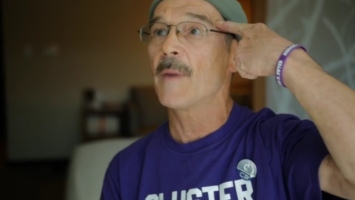
Cluster sufferers, sometimes known as clusterheads, experience truly debilitating cycles of severe symptoms that can be life-destroying. And a new documentary now in production, created by two people who themselves suffer from cluster, is attempting to bring the reality of cluster to a wider audience. Cluster headache – like a knife in the head Watch the new trailer below, and then see the links for more information on the documentary and cluster in general.
Although cluster headache usually starts in your 20s or 30s, children can, and do, get cluster too. Usually the symptoms start after the age of 10, but children with cluster have been reported as young as 6 years old.
The fact that cluster headache is extremely rare in children is no comfort to children who get it and their families who are trying to help them. Although we’ve talked about cluster headache in children before, it’s time for an update.
As with adult cluster, more males are diagnosed than females. However, a surprising number of girls get cluster as well.
But one of the biggest challenges is diagnosis. A study in 2009 of eleven children found that, on average, their symptoms began at the age of 8.5, but they went two years without a proper diagnosis.
Sadly, headaches in children are often considered to be caused by “stress” or “attitude”. However, a specialist who know what questions to ask can get to the truth a lot faster.
Another challenge is that cluster headache is not usually constant. Attacks typically last from 15 minutes to three hours. But they also go into remission. Headaches may occur once or several times a day for a while, and then disappear for months or years.
Symptoms in children tend to be similar to those in adults. That would include agitation and restless movement, one sided pain, congestion, and facial flushing and sweating. (For more detail, see Cluster Headache Symptoms)
Treatments for cluster are also similar to treatments in adults, partly because precious little study has been done specifically for children. One study found that oxygen, methysergide, verapamil, zolmitriptan and dihydroergotamine were particularly helpful for children, but that paracetamol/acetaminophen, ibuprofen and codeine with paracetamol/acetaminophen were not particularly helpful.
Many people suggest that solar activity has an impact on their migraine attacks or cluster headache cycles. But could there really be a connection?
The short answer is – yes, there could be a connection. But understanding, confirming and explaining it is very difficult.
So how exactly does activity on the sun affect the earth?
To explain briefly, solar activity can send a geomagnetic storm toward the earth. For the most part, we are well protected from these storms, which is why they don’t generally make headline news. The biggest concern is usually satellites and electrical grids and equipment (including implants for heart patients).
We do know that magnetic fields are especially important to certain animals, such as those who use the earth’s magnetic field to find direction.
It seems reasonable that changes in the magnetic field could impact human biology. In fact, there have been some studies done that suggest a connection between geomagnetic storms and lifespan (see here also), depression, and otherdiseases.
A connection – but why? Are solar storms affecting the earth in some way that in turn affects our environments and in turn affects our bodies? Or is there a more direct connection? What exactly are the storms doing? Changing brain activity? Changing our cells? Confusing neurological signals?
The questions about these global storms is as complex as the environment in which we live.
For quite some time now we’re been talking about the hot new migraine-fighting hopefuls – CGRP antibodies. In fact, there’s a race to get these new medications to the market.
One of these drugs, now known as “LY2951742”, is being tested for cluster headache, both chronic and episodic. So if you have cluster, and you’re in the USA, you have a unique chance to get in on the cutting edge of research.
They are looking for adult volunteers, with a history of either episodic or chronic cluster headache. There is more information listed, including who to contact and how, if you click through the links above.
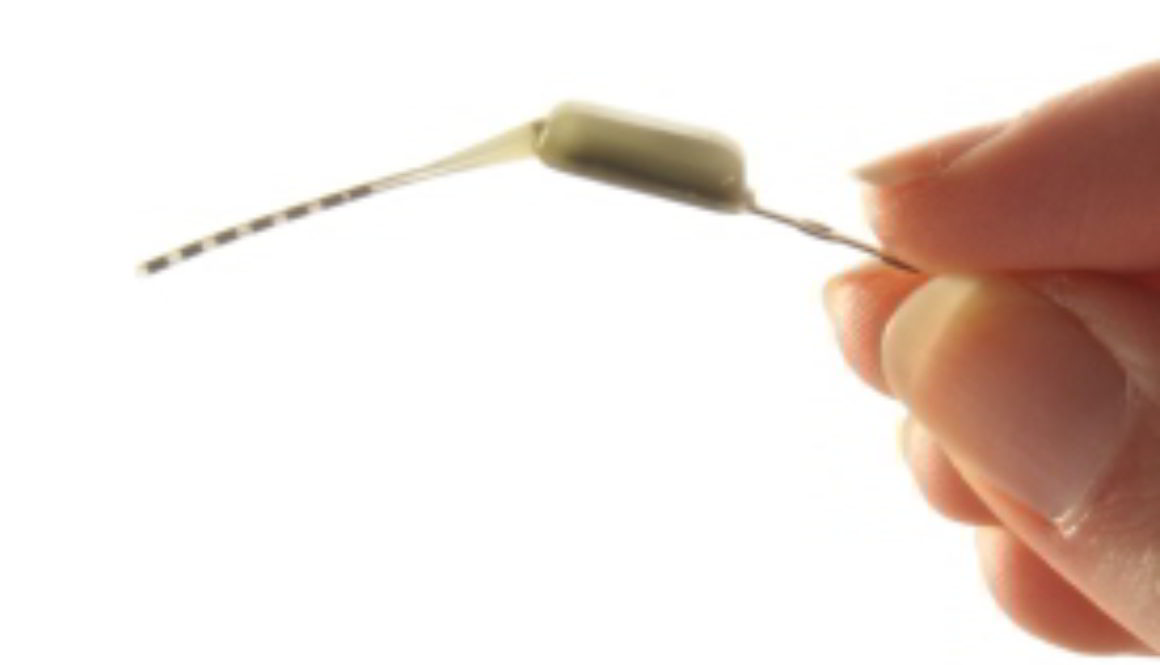
What difference would it make in your life if you could delete some or all of the pain in two thirds of your cluster headache attacks? A small device, smaller than an almond, may be able to do just that.
Pulsante deviceBack in 2013 we discussed a neurostimulation device targeting the sphenopalatine ganglion, a cluster of nerves behind the nose that is closely related to both cluster and migraine pain.
The small device was used on 5000 cluster attacks over 3 years. 33 patients completed the study.
Overall, the device (called the Pulsante SPG Microstimulator System) either eliminated or reduced the pain in 68% of attacks. Within 15 minutes, pain was totally eliminated in 34% of the attacks.
Obviously we want to get rid of every attack, but for a new device treating a very difficult condition, these results are excellent. The device seemed to eliminate or reduce most pain in moderate attacks (78%), with a response rate of 59% in mild attacks and 51% in severe attacks.
So far, the device seems to be fairly safe. However, there have been some challenges – making sure the device is properly implanted, and that it stays there, for example.
But as we continue to use devices like this, we can expect to see improvement. Pulsante is already being used in Europe.
You may remember that we were talking about the sphenopalatine ganglion back in March, related to migraine pain. If minimally invasive treatments like this can significantly decrease the pain of cluster, they may have benefits for headache from migraine and other types of headache pain.
To learn more about how the device works and how it’s controlled, visit the Autonomic Technologies website. Check out information on trials, and whether you can be involved, here.

 The fact that cluster headache is extremely rare in children is no comfort to children who get it and their families who are trying to help them. Although
 To explain briefly, solar activity can send a