
Pupils Constricted During a Headache Attack?
Have you ever noticed a change in the size of your pupils during a migraine attack?
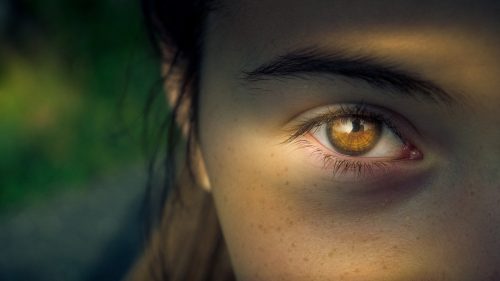
To be fair, this is probably the last thing you’re thinking about. But maybe someone else has noticed. Dilated pupils – that is, larger pupils, caught the attention of this writer as a significant migraine symptom – Eye Pupils Dilated during Migraines- Is that Normal? The condition in which pupils dilate unusually is called mydriasis.
But according to most research, and a recent study, the opposite is more likely to be true – constricted pupils (this condition would be called miosis). This has been observed in conditions such as hemicrania continua and cluster headache.
A recent study published in the European Journal of Ophthalmology investigated constricted pupils in migraine. The study of 24 patients and their 48 eyes showed that migraine patients did tend to have significantly constricted pupils during attacks. There was no significant difference between the two eyes – in other words, patients with a headache on one side of the head had similar constriction in both eyes, not just on the painful side.
Apart from being an interesting symptom to keep an eye on (oops! sorry!), it will also open up future study into how muscles and nerves around the eye respond to migraine attacks – or how they are involved in the web of causes and effects.
If your pupils are constricted during migraine, you can probably simply think of it as another strange migraine symptom. However, certain medications – namely opioids and other narcotics, may also cause constriction. If you’re regularly taking one of these medications during a migraine attack, you might want to talk to your doctor about other long term solutions to avoid and treat migraine pain.
Read the study abstract here: Effect of migraine attack on pupil size, accommodation and ocular aberrations
 Although some people are diagnosed with chronic daily headaches, the term is very general and could refer to a variety of conditions. If you haven’t received a specific diagnosis, talk to a specialist.
 If you’re experiencing head pain behind the ear, keep track of how often it happens, how long it lasts, how severe the pain is, and any other symptoms that you may be experiencing.
 Part of the problem is that sometimes the symptoms play tricks on you. They may look a lot like migraine symptoms. Or they may not look like
 First, it’s commonly known that migraine attacks can lead to congestion and watery eyes. This from