
Helicobacter Pylori and Migraine
Helicobacter pylori, or h. pylori, is the sneaky bacteria known for causing ulcers. Usually, ulcers are caused either by this bacteria, or long term use of NSAIDs, such as ibuprofen.
 For many years researchers have been asking the question – does an h. pylori infection lead to more migraine attacks? And if so, could treatment lead to a better quality of life for migraine patients?
The research has been somewhat conflicting. But overall, it does seem more likely that migraine patients will have an h. pylori infection.
There are two sets of patients that may be tested – first, those who actually have ulcers. They are the ones who can benefit most from testing and treatment.
Second, those who are at high risk or who have had gastric cancer.
Now for the majority of the rest of us, testing and treatment has never been recommended. The fact is that many, many people seem to have the h. pylori bacteria, but most do not have any symptoms.
On top of that, the conflicting results of studies have not yet shown us exactly who may benefit, among migraine patients. It could be, for example, that h. pylori is more of a problem in patients who otherwise are at low risk of migraine (for example, they have no relatives with migraine – but h. pylori may be connected with the triggering of migraine symptoms).
A recent Mexican study into the gastrointestinal disorders related to migraine suggested that, in spite of the somewhat confusing past studies, there was at least enough evidence to support further research, and even testing of migraine patients (see Gastrointestinal disorders associated with migraine: A comprehensive review).
At the very least, if you’re a migraine patient at high risk for gastric cancer, or with ulcers, or you seem to be otherwise at low risk for migraine, you may want to ask your doctor about testing and treatment of h. pylori. Otherwise, it may not be a major factor for you, and you’re probably better to focus on other possibilities for the time being.
If you have been treated for h. pylori, have you seen any improvement in your migraine symptoms?
For more on treatment, see Helicobacter Pylori Infection Treatment & Management
 A newly published study (
 But the other question is, how much does migraine affect your thinking between attacks? We do know that migraine, as a disease, affects your life all the time in various ways. But what about cognitive skills? Does your ability to think go downhill over the years?
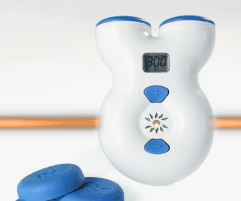 Now this type of treatment has actually been around for a while. A device is implanted that stimulates the vagus nerve, which runs on two sides of the body from your brain stem through your neck, chest, and abdomen. This type of treatment is used for hard-to-treat cases of epilepsy and depression.