Why some people don’t recognize post-concussion syndrome symptoms
Sometimes it can be challenging to diagnose post-concussion syndrome symptoms. And without a proper diagnosis, proper treatment can be hard to find.
As we’ve mentioned before, a concussion is actually a form of brain injury. To say “It’s just a mild concussion” as if it won’t have any lasting consequences is a misleading.
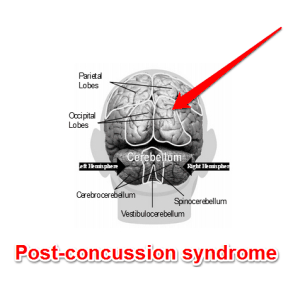 |
Symptoms of post-concussion syndrome (PCS) can vary. The common ones include headache, dizziness, fatigue, insomnia, and anxiety. There are also rarer symptoms such as hearing loss, impaired judgment, and trouble speaking. Here’s more on post concussion syndrome symptoms.
But here’s the problem. First, it’s not easy to just do a test and find out if you have PCS. Yes, your doctor may call for a CT scan, and that may help with he diagnosis. But it may not confirm that you have PCS.
Second, as you may have noticed, many of these symptoms are common in other types of headache. PCS can look very much like migraine, or like tension-type headache.
So how can you help your doctor properly diagnose your symptoms?
First, your doctor will want to know how things have changed and when they changed. Symptoms like these will probably appear within a few days to up to four weeks after your injury. Thankfully, the symptoms usually do go away fairly soon, especially if you can get to a doctor and get them diagnosed early on.
Your doctor will also need to know your medical history. Other conditions and diseases may be impacting your symptoms – things like migraine, depression, insomnia, and so on.
So do pay attention to symptoms and timing as much as you can while you’re preparing for your visit to the doctor. Your doctor will ask you some questions and may call for some tests. Treatment can involve several different things depending on your symptoms.