The water bottle, the grapes, the cologne – could they really be migraine or headache triggers? In this podcast we discuss environmental and food triggers, and a common misunderstanding that causes people to overlook them.
[display_podcast]
Some links mentioned in or related to this episode:
After a major concussion, Jane wanted to die. On her doctor’s advice, she was stripped of both work and free time enjoyment, and in their place experienced headaches, vertigo, and mental fog.
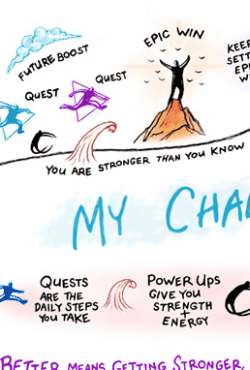
But Jane didn’t stop thinking, even when she could do little else. As a gamer, she began to re-imagine her circumstances – from a bottomless pit of hopelessness, to a challenging game that she could win.
The idea began to take shape. Sure, in many ways video games mirror life, and vice versa. But games of any kind allow us to take a step back, see things objectively, and perhaps most importantly, find hope and even fun in our challenges.
Every game needs a name. How about “Jane the Concussion Slayer”? Cheesy, but fun – and descriptive! Now she needed to identify the bad guys, find allies, and start levelling up, little by little.
Her twin sister became her ally. She began to identify things that could trigger symptoms, and find power-ups – small steps toward recovery.
The mental fog began to clear.
It was a long journey to recovery, but seeing things from a new perspective changed everything.
Yes, Jane McGonigal is a real person. In hopes that her methods might help others, she started to tweak the game and expand it for people with other injuries, chronic pain, depression. She looked closer at the research – what evidence is behind which small steps on the road to recovery? What does the science tell us? And so SuperBetter was born.
And yes, among the users of SuperBetter are migraine patients.
One of the benefits of programs like this is that they help you, in small ways, to put balance into your life as you take small steps forward. That is to say, your entire treatment is no longer focused on the next best drug. Instead, you’re looking at a fuller view of life (I won’t suggest any program really covers “all” of life – we’re too complex!). Mental, social, emotional, physical. But small steps.
As the medical community continues to recognize the importance of treating the whole person, they need to sit up and take notice of games like SuperBetter. Whether you’re convinced by Jane McGonigal or not, you should not quickly dismiss the idea that a well designed game could make a huge difference in your life.
For more information, check out the links below. And don’t miss the video, where Jane tells her own story – and gives you the opportunity to add precious time to your life – right now.
If you’ve followed this site for the past few years, you know that we have had frequent supply problems with the Migraine Barometer, and it’s been unavailable for months at a time. But for the time being it is available again, and you can order it here.
After many years of research, hearing your stories, and – personal experience – I know that changes in the weather trigger migraine attacks in many people. Sometimes severe, difficult to treat, attacks.
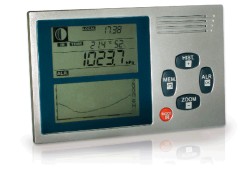
One tool that we’ve used to identify and fight migraine attacks that tend to come with barometric pressure changes is to track those changes with this electronic barometer.
You can read more about why this barometer is unique right here, but in summary it actually charts changes in pressure, so that you can see how fast the weather is changing. This will help you identify what is triggering your weather-related attacks.
The barometer can even be set to sound an alarm if the weather is changing too quickly, so that you can take preventative measures and stop the migraine attack before it starts.
Thanks to those who have taken the time to email to let me know how much the barometer has helped them. I’m glad to be able to offer it again.
Sometimes the most simple solutions are the best. That’s the theory behind the Icekap, a heat/cold therapy for migraine that keeps things simple.
Cold and heat are common and very effective migraine treatments, if used properly (and what is “proper” may vary from person to person). The challenge, however, is getting the right temperature to the right part of the body with a minimum of mess and stress.
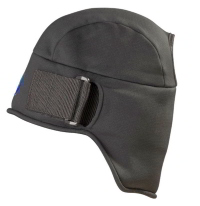
We’ve seen caps to provide cool temperature for migraine before. The Icekap has a number of positives combined into a simple product.
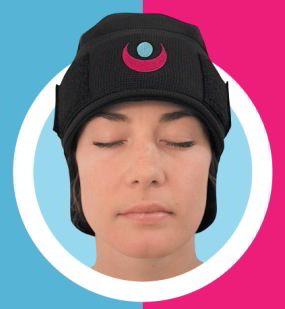
First, there’s the Icekap itself – adjustable, easy to put on, and with a nice little hole for those with pony tails. 🙂
Next, the ice packs, which go into the Icekap. Keep them cool – swap them out and keep the Icekap cool.
Wait! The “ice packs” can also be “heat packs”. Just stick them in the microwave or cover them with hot water.
Now because the Icekap is “adjustable”, it can also provide pressure therapy, a time-honoured way to lessen migraine pain.
And there’s one bonus. You can also purchase some essential oil, especially for migraine, to use along with the Icekap.
Cooling down can also help with insomnia, a common problem for migraine patients.
I’ve seen a lot of products like this over the years, but what I’ve seen so far from the Icekap is excellent. And this from a small start-up in Canada. This is why patients, not just experts, hold the key to fighting migraine.
Have you tried the Icekap? How have you used it? How has it helped the most?
Of course you know that there are many other people suffering from migraine in your area. The statistics practically guarantee it. But do you ever talk? Share ideas? Combine resources? Encourage each other?
These could be motivations for starting a support group in your area.
Support groups are found all over the world, and can be very helpful. But there are also a lot of possible problems and issues involved.
Renee Bernau from the USA has lived through some of the pros and cons of support groups. The good news – she wants to share her experience with you, so that you can successfully start a group in your area.
Her mini-manual, “How to Start a Support Group”, is available for free through the Migraine Research Foundation. It discusses some ways to avoid problems, what to expect, and how to make the most of your group.


 Her twin sister became her ally. She began to identify things that could trigger symptoms, and find power-ups – small steps toward recovery.
 Now because the Icekap is “adjustable”, it can also provide pressure therapy, a time-honoured way to lessen migraine pain.