
The “10-Second Tension Headache Remedy”
At least a couple of articles have been circulating promoting a tension headache remedy that is quick, and free. And certainly worth a try.
Tension headaches are, as you may know, now commonly called “tension-type headaches”. Why? Because doctors now know that these headaches aren’t simply caused by tension. Your muscles can be very tense, and you may not have any symptoms whatsoever. And – the reverse can also be true. (For more, see Just what is the “Common Headache”?)
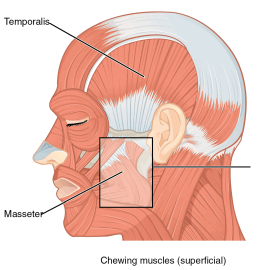
That may be one reason why quitting chewing gum seems to help many people lessen headaches.
The “10-second remedy” is similar – it involves massage of the masseter muscle, a muscle used when you chew food – or clench your teeth at night. There are a few ways to massage here. One is using your fingers to put pressure on the front of the muscle (toward your mouth), then push back (up toward your ear).
Another method, the one you’ll read about in the following article, is to let the jaw do the movement.
Try it next time you feel a headache coming on. If it works, it may mean that jaw issues such as TMD are contributing to your headache symptoms.
The 10-Second Tension Headache Remedy a Physical Therapist Swears By (from Prevention)
 Researchers in Brazil wanted to investigate how LLLT compares to the more well known



.jpg)