
Lavender for Anxiety, Stress, and Pain
Lavender has long been one of the most recommended essential oils for migraine and headache conditions. Lavender has a significant effect on the nervous system and brain.
Although many claims are made for lavender, many of the studies have been small, short term, and poorly designed. Researchers have also suggested that the essential oil used in some studies was of questionable quality.
Still, there seems to be ample evidence to suggest that lavender is a good way to fight stress and anxiety. And interestingly enough, lavender also seems to be a great natural pain reliever.
 Although some trials have used oral lavender, for now the best way to use it is using an diffuser or vaporizer, or through massage. Another great way to enjoy the benefits of lavender is by putting a few drops into a warm bath.
The University of Science Malaysia is starting a new trial of lavender, based on its benefits for those experiencing “academic stress”. We will see how helpful lavender is to students dealing with exams and paper deadlines. But based on the research done so far, it will probably be a help.
Thankfully, lavender essential oil is very popular, and so readily available. But do make sure you find a good quality brand.
For a large supply of “virgin unrefined” lavender oil, try ArtNaturals theraputic grade essential oil. A little cheaper, but ridiculously popular and well rated, is the Radha Beauty Lavender Essential Oil.
Finally, if you want to start small, try this little bottle from Healing Solutions: Lavender 100% Pure.
For more information:
- Aromatherapy headache solutions (some quick aromatherapy tips)
- Top 4 Essential Oils for Headaches
- Lavender and the Nervous System (in-depth scientific article)

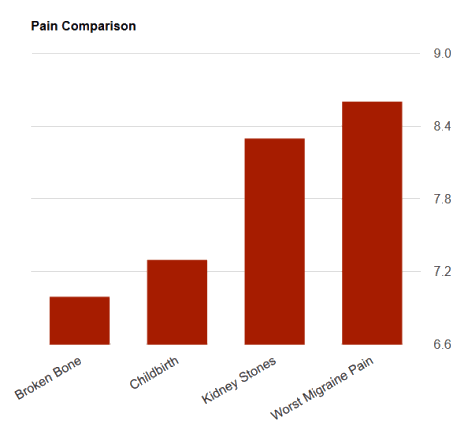 Remember, these are just averages from people who have experienced both migraine and the other type of pain.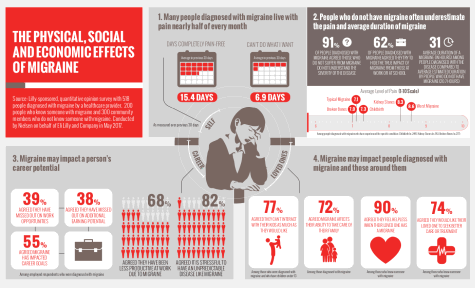

 But just how this test will be used in the short term isn’t certain. Will it actually help patients avoid a scan? Well, first patients would have to chose the slower choice – waiting several hours for blood test results instead of the much quicker scan. If it seems that the patient is likely to have intracranial lesions, will the doctor call for a scan anyway? And if they’re feeling sick and the test comes back negative, will a CT scan be called for in case they’re the 1% that the test doesn’t work for?