About a year ago I started doing regular infographics to share various bits of information about migraine and headache. Sometimes it was critical information, sometimes news, and sometimes just fun. Some were better than others – but I’m still learning. 🙂
So, after a year, it’s time to put them all in one place! Just click on the image to go to the post.
If you find one useful or interesting, feel free to share the graphic online.
Eye redness and headaches?
Complex Migraine
Sex headaches
Cluster vs. Migraine
Trouble sleeping?
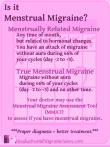
Is it Menstrual Migraine?
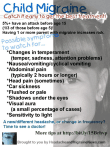
Child Migraine
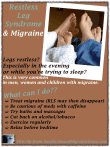
Restless Leg Syndrome and Migraine
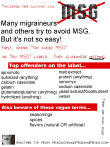
The 12 Top MSG Offenders
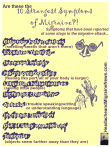
Are these the 10 Strangest Symptoms of Migraine?
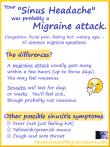
Your sinus headache was probably a migraine attack.
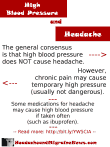
High Blood Pressure and Headache
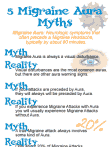
5 Migraine Aura Myths
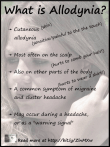
What is Allodynia?
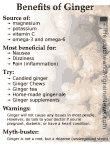
Benefits of Ginger
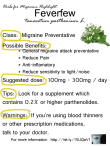
Feverfew for Migraine
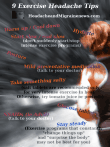
9 Exercise Headache Tips
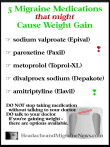
5 Migraine Medications that may cause Weight Gain
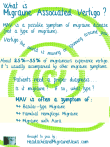
What is Migraine Associated Vertigo?
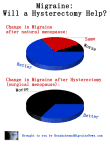
Migraine: Will a Hysterectomy Help?
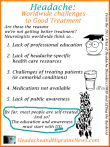
Headache: Worldwide Challenges to Good Treatment
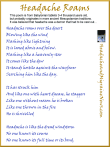
Headache Roams
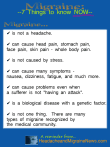
Migraine: 7 Things to Know NOW
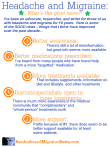
Headache and Migraine: What’s the good news?
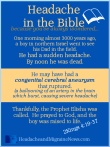
Headache in the Bible
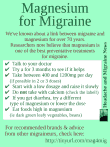
Magnesium for Migraine
Smoking and Headache
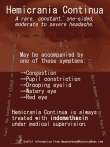
Hemicrania Continua Facts
Vertigo and Dizziness
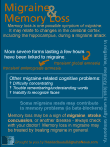
Migraine and Memory Loss
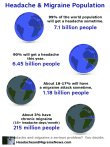
Headache and Migraine Population
Migraine During and After Pregnancy
What bothers you most during a migraine attack?
Persistent Migraine Aura
Nausea, Vomiting, and Migraine: 10 Facts
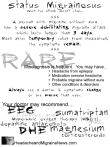
Status Migrainosus
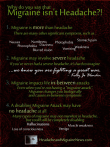
Why do you say that Migraine isn’t Headache?!
Do I have Migraine with Brainstem Aura?
What about CGRP?
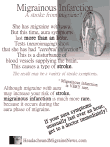
Migrainous Infarction: a Stroke from Migraine?
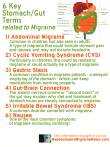
6 Key Stomach/Gut Terms Related to Migraine
Rhizotomy for Migraine?
Do hotdogs trigger migraine headache?
10 Things to Tell Your Doctor
Fainting and Migraine
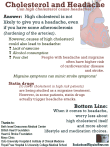
Cholesterol and Headache
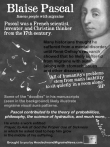
Blaise Pascal
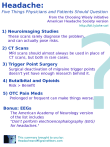
Headache: Five Things Physicians and Patients should Question
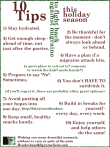
10 Tips to fight back against Migraine this Holiday Season
All right, I admit it. I’ve always been suspicious of words like “moderation” and “balance”. I don’t particularly want to be “balanced” – I want to reach the maximum, to be passionate, go all out.
When it comes to health, at a time of year when there are so many parties and changes in schedule, words like moderation and balance are thrown around more than ever. And ignored more than ever.
If you are fighting cluster headache, or migraine, or some chronic headache condition, maybe you do need to be balanced. But let me make a humble suggestion. Let’s be balanced … in moderation.
It’s true that many people are more sensitive to changes in the body. A change in schedule, in diet, in activity – these and many other things can trigger horrible attacks of headache and other symptoms.
So, sure, maybe we should try to keep our sleep schedule as regular as possible. Maybe we should avoid sudden very hectic active days, eating a lot of sugar all at once. Forgetting to eat, maxing out on the caffeine. We should be careful about these things. I’m ok with that.
But there are some things that I don’t want to be balanced about, and neither do you. Let’s be passionate about giving other people happiness. Let’s be serious about taking time to reflect. Let’s go all out when it comes to making memories, even when some unwelcome symptoms hit.
Nothing was perfect in 2013, and it probably won’t be in 2014, as long as we’re dealing with things like migraine and headache. But while we’re moderate about some things, we can still be passionate about fighting back, and about living in spite of the battles.
Love, hope, faith – there are some things that we should never do in moderation.
What a great idea! The Migraine Trust in the UK has been promoting a “travelling migraine diary” to help migraineurs share their experiences and raise awareness.
For those who don’t know, a travelling (traveling for you in the USA) diary is a journal that’s mailed from person to person. Each new person ads an entry.
The Migraine Trust has brought the travelling diary into the digital age. Not only do you have the beauty and honesty that actual paper and ink provide, the pages are also scanned and uploaded to Flickr, and highlighted on Twitter and Facebook.
For those not in the UK – I’m talking to all you organizers out there – why not check out how The Migraine Trust has done this and start your own? The travelling migraine diary of Canada – the traveling migraine diary of the USA – the travelling migraine diary of Australia … well, you get the idea. 🙂
And if you are in the UK – you can participate! Simply register with your name, email address, and UK address, and The Migraine Trust will be in touch with you. [link no longer available]
On Friday the FDA approved the Cerena Transcranial Magnetic Stimulator (TMS) for the use of migraine pain relief in migraine with aura. Â The FDA described the device in this way:
The Cerena TMS is a prescription device used after the onset of pain associated with migraine headaches preceded by an aura. Using both hands to hold the device against the back of the head, the user presses a button to release a pulse of magnetic energy to stimulate the occipital cortex in the brain, which may stop or lessen the pain associated with migraine headaches preceded by an aura.
We actually talked about this device over a year ago, but you might not recognize the name. Â The Cerena TMS is already being sold in the UK as the SpringTMS Total Migraine System. Â It’s available with prescription at various locations throughout England.
Although the FDA already considered the device to be generally safe, they were going through the regular procedure to approve devices. Â One thing they needed was a clinical trial – and the trial they used was funded by the makers of the Cerena TMS. Â However, you’ll be glad to hear that it was a well controlled study done by many of the big names in migraine research and treatment.
In the study, 201 patients with migraine with aura were treated with a real or sham device over 3 months.
Of the patients that treated a migraine attack with the TMS device, 39% were pain-free within two hours.  Most of these patients remained pain-free one and two days later.  That’s good news, because it seems that the device was able to actually stop the attack, not just mask the symptoms.  Here’s the abstract:  Single-pulse transcranial magnetic stimulation for acute treatment of migraine with aura
More trials will be needed to see if the device is effective for migraine without aura, and to see how it impacts other common migraine symptoms. Â The FDA approval is simply confirmation that the organization feels the device is generally safe, and that it can help some people.